Buy harnn.eu ?
We are moving the project
harnn.eu .
Are you interested in purchasing the domain
harnn.eu ?
domain@kv-gmbh.de · 0541-91531010
Buy harnn.eu ?
What is covalent development?
Covalent development is a term used in the context of software development to describe a collaborative approach to building and maintaining software. It involves multiple developers working together on the same codebase, using version control systems to manage changes and updates. Covalent development emphasizes communication, teamwork, and shared responsibility for the code, leading to a more efficient and cohesive development process. This approach allows for greater flexibility and adaptability in responding to changes and challenges in the development process. **
What are covalent bonds?
Covalent bonds are a type of chemical bond formed between two atoms when they share one or more pairs of electrons. This sharing of electrons allows both atoms to achieve a more stable electron configuration, typically by filling their outermost energy levels. Covalent bonds are typically found in molecules and are responsible for holding the atoms together to form the structure of the molecule. These bonds can be either polar, where the shared electrons are not equally distributed between the atoms, or nonpolar, where the shared electrons are equally distributed. **


Similar search terms for Covalent
Top-Angebote
Products related to Covalent:
-
Spa-like Radiance Skincare Set - Skincare Kit Charlotte Tilbury 6907 Charlotte's Spa-like Radiance Skincare Set Size:Darlings, my Spa-Like Radiance skincare kit is the secret to a healthy-looking, spa-fresh glow! ONLY available on CharlotteTilbury.com and the App, this kit includes NEW! Charlotte's Magic Cream and Collagen Superfusion Facial Oil.126,90 £*Shipping: 0,00 £Secure redirect to the provider
-
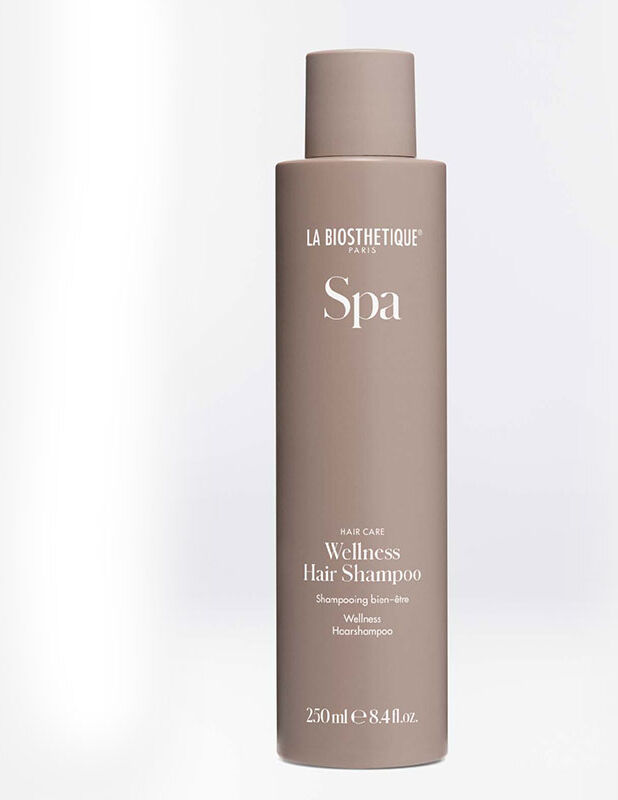
La Biosthetique SPA - Wellness Hair Shampoo 250mlWellness at its best for the hair and scalp! Cleanses the hair gently while respecting the healthy balance of the scalp. Sodium salts of lactic acid and gluconic acid, both components of the skin's natural moisturising factor, prevent the scalp from drying out. Plant based prebiotics such as inulin and glucan oligosaccharides maintain the balance of the scalp environment by specifically supporting the growth of health-promoting bacteria and are proven to reduce harmful bacteria. Undesired often inflammatory skin conditions heal faster and the scalps barrier function is strengthened. The scent composition with green lime, aromatic notes of basil, lemongrass and pink pepper and a sensuous, lingering combination of vanilla and woody cedar provides an ultimate feel good experience. Ingredients: AQUA (WATER), SODIUM LAURETH SULPHATE, COCAMIDOPROPYL BETAINE, PARFUM (FRAGRANCE), POLYGLYCERYL-3 OLEATE, SODIUM LACTATE, ALPHA-GLUCAN OLIGOSACCHARIDE, SODIUM GLUCONATE, LACTIC ACID, INULIN, BETAINE, METHYL GLUCOSE CAPRATE/CAPRYLATE/OLEATE, MARIS SAL (SEA SALT), ACETIC ACID, PROPANEDIOL, SODIUM BENZOATE, BENZOIC ACID, LIMONENE, COUMARIN, CITRAL23,50 £*Shipping: 2,95 £Secure redirect to the provider
-
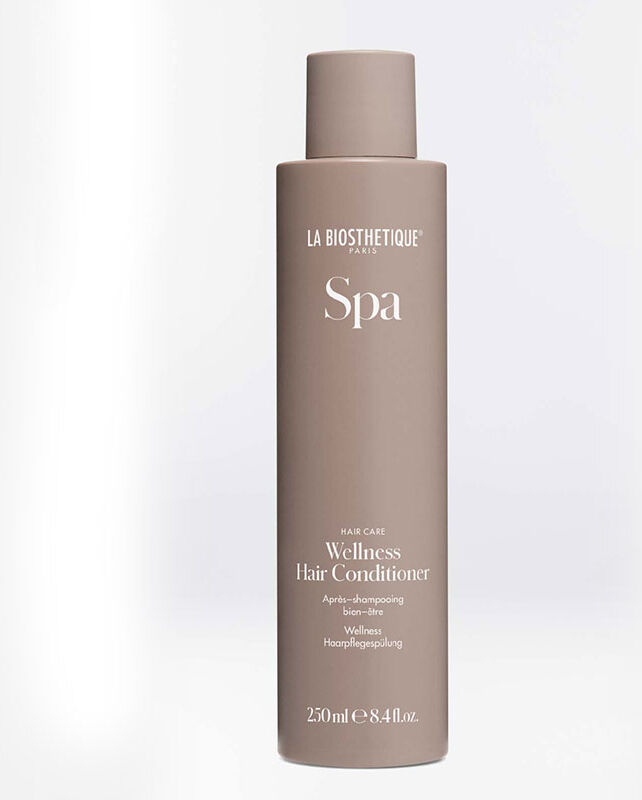
La Biosthetique SPA - Wellness Hair Conditioner 250mlIs your hair stubborn, unruly and almost impossible to comb after washing and becomes flyaway when dried. Then you need a soothing treatment with Wellness Hair Conditioner. In just two minutes the conditioner calms the hair and scalp with a mix of lactic and gluconic acid, both of which are components of the skin's natural moisturising factor. It also combats dryness whilst smoothing the hair structure. This is supported by Cationic conditioning substances which prevent static charge of the hair and improve its compatibility. At the same time, prebiotic plant based active ingredients maintain the healthy balance of the scalp. Irritations are avoided and the scalp maintains its balance whilst making the hair full of elasticity and bounce. The scent of green lime supports this invigorating freshness along with aromatic spicy and sensual woody notes, it accompanies you throughout the day. Ingredients: AQUA (WATER), CETEARYL ALCOHOL, PARFUM (FRAGRANCE), INULIN, ALPHA-GLUCAN OLIGOSACCHARIDE, SODIUM LACTATE, SODIUM GLUCONATE, LACTIC ACID, CETRIMONIUM CHLORIDE, ETHYLHEXYLGLYCERIN, CAPRYLHYDROXAMIC ACID, METHYLPROPANEDIOL, BENZOIC ACID, LIMONENE, COUMARIN, CITRAL23,25 £*Shipping: 2,95 £Secure redirect to the provider
-
tauruswellness Taurus Wellness Body Composition Scale Pro The Taurus Wellness Body Composition Scale Pro is perfect for anyone wanting a clear, detailed look at their health. It uses advanced bioimpedance technology to measure everything from body fat to muscle mass, showing results right on the scale and in the free Fitdays app. With eight precise...89,99 £*Shipping: 0,00 £Secure redirect to the provider


-
What is a covalent bond?
A covalent bond is a type of chemical bond that involves the sharing of electron pairs between atoms. This sharing of electrons allows each atom to achieve a more stable electron configuration, typically by filling their outermost energy level. Covalent bonds are typically found in molecules and are stronger than other types of chemical bonds, such as ionic bonds. The number of shared electrons can vary, leading to different types of covalent bonds, such as single, double, or triple bonds. **
-
What is a non-covalent bond?
A non-covalent bond is a type of chemical bond that does not involve the sharing of electrons between atoms. Instead, non-covalent bonds are formed through electrostatic interactions, such as hydrogen bonding, van der Waals forces, and ion-dipole interactions. These bonds are generally weaker than covalent bonds and can be easily broken under certain conditions. **
-
What does "covalent" mean in chemistry?
In chemistry, "covalent" refers to a type of chemical bond that involves the sharing of electron pairs between atoms. This type of bond is formed between nonmetal atoms and is characterized by the atoms sharing electrons in order to achieve a stable electron configuration. Covalent bonds are typically strong and result in the formation of molecules. **
-
Is covalent bonding a difficult topic?
Covalent bonding can be a challenging topic for some students due to its abstract nature and the need to understand concepts such as electron sharing and molecular geometry. However, with proper explanation and practice, students can grasp the fundamentals of covalent bonding. It is important to break down the concepts into simpler parts and provide real-world examples to help students understand the concept better. With patience and practice, students can overcome the difficulties associated with covalent bonding. **

What is a nonpolar covalent bond?
A nonpolar covalent bond is a type of chemical bond where two atoms share electrons equally. This occurs when the difference in electronegativity between the two atoms is very small or nonexistent. As a result, there is no separation of charge within the bond, making it nonpolar. Nonpolar covalent bonds are typically found between atoms of the same element or between atoms with similar electronegativities. **
Can you explain the covalent bond?
A covalent bond is a type of chemical bond that involves the sharing of electron pairs between atoms. This sharing of electrons allows each atom to achieve a full outer electron shell, making the atoms more stable. Covalent bonds are typically formed between nonmetal atoms, and the strength of the bond is determined by the number of shared electrons and the distance between the nuclei of the atoms. Covalent bonds can be either polar or nonpolar, depending on the electronegativity difference between the atoms involved. **
Top-Angebote
Products related to Covalent:
-
Inspired Finds LAIKOU Aromatherapy Bath Bomb Spa Exfoliating Bath Salt Ball Moisturizing Bubble Bath Bomb 30g (1.06 Oz 0.07 Lb)Turn an ordinary bath into a relaxing spa experience with this soothing aromatherapy bath bomb. Designed to gently fizz and dissolve in warm water, it releases fragrance and skinsoftening ingredients that help relax the body while cleansing the...34,99 $*Shipping: 0,00 $Secure redirect to the provider
-
La Biosthetique SPA - Wellness Soap 150mlA special treat for the hands, this soap bar produces a pleasantly delicate foam that gently caresses the skin on the face and body when it comes into contact with water. Natural plant oils form the basis of this Wellness Soap. They have an oil replenishing effect that helps to avoid tightness and prevents skin from drying out. Shea butter from certified organic cultivation leaves the skin feeling pleasantly cared for and incredibly soft. Glycerine, a natural component of the skins own hydrolipid mantle binds moisture in the top layers of skin, preventing trans epidermal water loss. The cleansed skin is gently conditioned, soft and emanates the both warm and fresh scent of a composition of green lime, basil, lemongrass and pink pepper, which lingers in a sensuous combination of vanilla and woody cedar. Ingredients: SODIUM PALMATE, SODIUM PALM KERNELATE, AQUA (WATER), PARFUM (FRAGRANCE), GLYCERIN, BUTYROSPERMUM PARKII (SHEA) BUTTER, SODIUM CHLORIDE, TETRASODIUM EDTA, TETRASODIUM ETIDRONATE, LIMONENE, COUMARIN, CITRAL23,50 £*Shipping: 2,95 £Secure redirect to the provider
-
Spa-like Radiance Skincare Set - Skincare Kit Charlotte Tilbury 6907 Charlotte's Spa-like Radiance Skincare Set Size:Darlings, my Spa-Like Radiance skincare kit is the secret to a healthy-looking, spa-fresh glow! ONLY available on CharlotteTilbury.com and the App, this kit includes NEW! Charlotte's Magic Cream and Collagen Superfusion Facial Oil.126,90 £*Shipping: 0,00 £Secure redirect to the provider
-
La Biosthetique SPA - Wellness Hair Shampoo 250mlWellness at its best for the hair and scalp! Cleanses the hair gently while respecting the healthy balance of the scalp. Sodium salts of lactic acid and gluconic acid, both components of the skin's natural moisturising factor, prevent the scalp from drying out. Plant based prebiotics such as inulin and glucan oligosaccharides maintain the balance of the scalp environment by specifically supporting the growth of health-promoting bacteria and are proven to reduce harmful bacteria. Undesired often inflammatory skin conditions heal faster and the scalps barrier function is strengthened. The scent composition with green lime, aromatic notes of basil, lemongrass and pink pepper and a sensuous, lingering combination of vanilla and woody cedar provides an ultimate feel good experience. Ingredients: AQUA (WATER), SODIUM LAURETH SULPHATE, COCAMIDOPROPYL BETAINE, PARFUM (FRAGRANCE), POLYGLYCERYL-3 OLEATE, SODIUM LACTATE, ALPHA-GLUCAN OLIGOSACCHARIDE, SODIUM GLUCONATE, LACTIC ACID, INULIN, BETAINE, METHYL GLUCOSE CAPRATE/CAPRYLATE/OLEATE, MARIS SAL (SEA SALT), ACETIC ACID, PROPANEDIOL, SODIUM BENZOATE, BENZOIC ACID, LIMONENE, COUMARIN, CITRAL23,50 £*Shipping: 2,95 £Secure redirect to the provider
-
What is covalent development?
Covalent development is a term used in the context of software development to describe a collaborative approach to building and maintaining software. It involves multiple developers working together on the same codebase, using version control systems to manage changes and updates. Covalent development emphasizes communication, teamwork, and shared responsibility for the code, leading to a more efficient and cohesive development process. This approach allows for greater flexibility and adaptability in responding to changes and challenges in the development process. **
-
What are covalent bonds?
Covalent bonds are a type of chemical bond formed between two atoms when they share one or more pairs of electrons. This sharing of electrons allows both atoms to achieve a more stable electron configuration, typically by filling their outermost energy levels. Covalent bonds are typically found in molecules and are responsible for holding the atoms together to form the structure of the molecule. These bonds can be either polar, where the shared electrons are not equally distributed between the atoms, or nonpolar, where the shared electrons are equally distributed. **
-
What is a covalent bond?
A covalent bond is a type of chemical bond that involves the sharing of electron pairs between atoms. This sharing of electrons allows each atom to achieve a more stable electron configuration, typically by filling their outermost energy level. Covalent bonds are typically found in molecules and are stronger than other types of chemical bonds, such as ionic bonds. The number of shared electrons can vary, leading to different types of covalent bonds, such as single, double, or triple bonds. **
-
What is a non-covalent bond?
A non-covalent bond is a type of chemical bond that does not involve the sharing of electrons between atoms. Instead, non-covalent bonds are formed through electrostatic interactions, such as hydrogen bonding, van der Waals forces, and ion-dipole interactions. These bonds are generally weaker than covalent bonds and can be easily broken under certain conditions. **
Similar search terms for Covalent
-
La Biosthetique SPA - Wellness Hair Conditioner 250mlIs your hair stubborn, unruly and almost impossible to comb after washing and becomes flyaway when dried. Then you need a soothing treatment with Wellness Hair Conditioner. In just two minutes the conditioner calms the hair and scalp with a mix of lactic and gluconic acid, both of which are components of the skin's natural moisturising factor. It also combats dryness whilst smoothing the hair structure. This is supported by Cationic conditioning substances which prevent static charge of the hair and improve its compatibility. At the same time, prebiotic plant based active ingredients maintain the healthy balance of the scalp. Irritations are avoided and the scalp maintains its balance whilst making the hair full of elasticity and bounce. The scent of green lime supports this invigorating freshness along with aromatic spicy and sensual woody notes, it accompanies you throughout the day. Ingredients: AQUA (WATER), CETEARYL ALCOHOL, PARFUM (FRAGRANCE), INULIN, ALPHA-GLUCAN OLIGOSACCHARIDE, SODIUM LACTATE, SODIUM GLUCONATE, LACTIC ACID, CETRIMONIUM CHLORIDE, ETHYLHEXYLGLYCERIN, CAPRYLHYDROXAMIC ACID, METHYLPROPANEDIOL, BENZOIC ACID, LIMONENE, COUMARIN, CITRAL23,25 £*Shipping: 2,95 £Secure redirect to the provider
-
tauruswellness Taurus Wellness Body Composition Scale Pro The Taurus Wellness Body Composition Scale Pro is perfect for anyone wanting a clear, detailed look at their health. It uses advanced bioimpedance technology to measure everything from body fat to muscle mass, showing results right on the scale and in the free Fitdays app. With eight precise...89,99 £*Shipping: 0,00 £Secure redirect to the provider
-
Inspire Select Long Handle Back Scrubber Brush Soft Exfoliating Body Brush For Shower, Bath & Spa Long Handle Back Scrubber Brush Soft Exfoliating Body Brush For Shower, Bath & SpaEnjoy a refreshing, fullbody cleanse with this convenient long handle back scrubber designed to reach every inch with ease. This exfoliating body brush gently removes dead skin while delivering a soothing massage for smoother, healthierlooking skin....46,91 $*Shipping: 0,00 $Secure redirect to the provider
-
What does "covalent" mean in chemistry?
In chemistry, "covalent" refers to a type of chemical bond that involves the sharing of electron pairs between atoms. This type of bond is formed between nonmetal atoms and is characterized by the atoms sharing electrons in order to achieve a stable electron configuration. Covalent bonds are typically strong and result in the formation of molecules. **
-
Is covalent bonding a difficult topic?
Covalent bonding can be a challenging topic for some students due to its abstract nature and the need to understand concepts such as electron sharing and molecular geometry. However, with proper explanation and practice, students can grasp the fundamentals of covalent bonding. It is important to break down the concepts into simpler parts and provide real-world examples to help students understand the concept better. With patience and practice, students can overcome the difficulties associated with covalent bonding. **
-
What is a nonpolar covalent bond?
A nonpolar covalent bond is a type of chemical bond where two atoms share electrons equally. This occurs when the difference in electronegativity between the two atoms is very small or nonexistent. As a result, there is no separation of charge within the bond, making it nonpolar. Nonpolar covalent bonds are typically found between atoms of the same element or between atoms with similar electronegativities. **
-
Can you explain the covalent bond?
A covalent bond is a type of chemical bond that involves the sharing of electron pairs between atoms. This sharing of electrons allows each atom to achieve a full outer electron shell, making the atoms more stable. Covalent bonds are typically formed between nonmetal atoms, and the strength of the bond is determined by the number of shared electrons and the distance between the nuclei of the atoms. Covalent bonds can be either polar or nonpolar, depending on the electronegativity difference between the atoms involved. **
* All prices are inclusive of VAT and, if applicable, plus shipping costs. The offer information is based on the details provided by the respective shop and is updated through automated processes. Real-time updates do not occur, so deviations can occur in individual cases. ** Note: Parts of this content were created by AI.