Buy harnn.eu ?
We are moving the project
harnn.eu .
Are you interested in purchasing the domain
harnn.eu ?
domain@kv-gmbh.de · 0541-91531010
Buy harnn.eu ?
"Does anyone find the camel?"
The question "Does anyone find the camel?" suggests that there is a missing camel and someone is looking for it. It implies that the camel's whereabouts are unknown and the speaker is inquiring if anyone has located it. The question indicates a sense of urgency or concern about the missing camel's situation. **
Is camel urine medically useful?
There is no scientific evidence to support the claim that camel urine has any medicinal benefits. In fact, consuming camel urine can be harmful as it may contain harmful bacteria and toxins. It is important to rely on proven medical treatments and consult with healthcare professionals for any health concerns. **


Similar search terms for Pendleton-Eco-wise-Navy-Camel
Top-Angebote
Products related to Pendleton-Eco-wise-Navy-Camel:
-
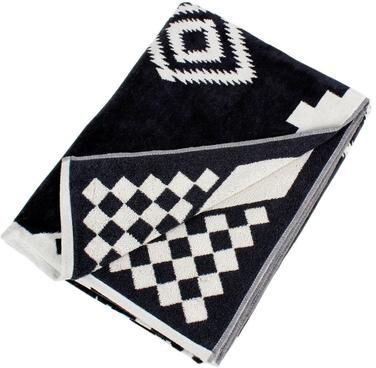
Pendleton Los Ojos Oversized Spa TowelOur dynamic blanket pattern re-created in a supersized towel for beach, poolside or hot tub—or an instantly luxurious bathroom. Thirsty cotton velour is an ideal canvas for our Native American-inspired design.65,00 $*Shipping: 0,00 $Secure redirect to the provider
-
Pendleton Tumalo Ridge CollectionA peaked medallion represents Tumalo Mountain, a peak in the High Cascades. Hikers who reach the top of this shield volcano find stunning views of three more volcanic beauties: Three Sisters, Broken Top, and Mount Bachelor.475,00 $*Shipping: 0,00 $Secure redirect to the provider



-
Is a camel a horse?
No, a camel is not a horse. While both animals belong to the same biological family (Equidae), they are different species with distinct characteristics. Camels have a humped back, long curved neck, and are adapted to desert environments, while horses have a straight back, shorter neck, and are adapted to grassland environments. Additionally, camels have unique adaptations such as their ability to store fat in their humps and their ability to go long periods without water, which horses do not have. **
-
"Does the camel bother you?"
No, the camel does not bother me. I find camels to be fascinating animals with their unique ability to survive in harsh desert environments. In fact, I admire their strength and resilience. **
-
Which element is a camel?
A camel is a mammal, not an element. It is known for its ability to survive in harsh desert environments and is often used as a pack animal in many parts of the world. Camels are well-adapted to their environment, with features such as humps for storing fat and a specialized digestive system that allows them to go long periods without water. **
-
What is camel toe in women?
Camel toe is a slang term used to describe the outline of a woman's labia majora when wearing tight-fitting clothing, such as leggings or swimsuits. It occurs when the fabric of the clothing is pulled tightly across the crotch area, creating a shape that resembles the split in a camel's hoof. While some women may find camel toe embarrassing, others may not be bothered by it. There are ways to prevent camel toe, such as wearing underwear with a seam-free crotch or choosing clothing made from thicker, more structured fabrics. **

How much does a camel cost?
The cost of a camel can vary depending on factors such as age, breed, training, and location. On average, a young camel can cost anywhere from $5,000 to $15,000, while a well-trained racing camel can cost upwards of $20,000 or more. Additionally, factors such as transportation costs and any additional equipment or care needed for the camel should also be taken into consideration when determining the total cost of purchasing a camel. **
How has the camel family evolved?
The camel family, known as Camelidae, has evolved over millions of years to adapt to various environments and ecological niches. The earliest members of the camel family were small, forest-dwelling animals, but as their habitats changed, they evolved to become well-adapted to arid and desert environments. This evolution included physical adaptations such as the development of a hump to store fat for energy, specialized feet for walking on sand, and the ability to conserve water. Additionally, their digestive systems have evolved to efficiently extract nutrients from tough, dry vegetation. These adaptations have allowed the camel family to thrive in some of the harshest environments on Earth. **
Top-Angebote
Products related to Pendleton-Eco-wise-Navy-Camel:
-
"Does anyone find the camel?"
The question "Does anyone find the camel?" suggests that there is a missing camel and someone is looking for it. It implies that the camel's whereabouts are unknown and the speaker is inquiring if anyone has located it. The question indicates a sense of urgency or concern about the missing camel's situation. **
-
Is camel urine medically useful?
There is no scientific evidence to support the claim that camel urine has any medicinal benefits. In fact, consuming camel urine can be harmful as it may contain harmful bacteria and toxins. It is important to rely on proven medical treatments and consult with healthcare professionals for any health concerns. **
-
Is a camel a horse?
No, a camel is not a horse. While both animals belong to the same biological family (Equidae), they are different species with distinct characteristics. Camels have a humped back, long curved neck, and are adapted to desert environments, while horses have a straight back, shorter neck, and are adapted to grassland environments. Additionally, camels have unique adaptations such as their ability to store fat in their humps and their ability to go long periods without water, which horses do not have. **
-
"Does the camel bother you?"
No, the camel does not bother me. I find camels to be fascinating animals with their unique ability to survive in harsh desert environments. In fact, I admire their strength and resilience. **
Similar search terms for Pendleton-Eco-wise-Navy-Camel
-
Pendleton Los Ojos Oversized Spa TowelOur dynamic blanket pattern re-created in a supersized towel for beach, poolside or hot tub—or an instantly luxurious bathroom. Thirsty cotton velour is an ideal canvas for our Native American-inspired design.65,00 $*Shipping: 0,00 $Secure redirect to the provider
-
Pendleton Tumalo Ridge CollectionA peaked medallion represents Tumalo Mountain, a peak in the High Cascades. Hikers who reach the top of this shield volcano find stunning views of three more volcanic beauties: Three Sisters, Broken Top, and Mount Bachelor.475,00 $*Shipping: 0,00 $Secure redirect to the provider
-
Which element is a camel?
A camel is a mammal, not an element. It is known for its ability to survive in harsh desert environments and is often used as a pack animal in many parts of the world. Camels are well-adapted to their environment, with features such as humps for storing fat and a specialized digestive system that allows them to go long periods without water. **
-
What is camel toe in women?
Camel toe is a slang term used to describe the outline of a woman's labia majora when wearing tight-fitting clothing, such as leggings or swimsuits. It occurs when the fabric of the clothing is pulled tightly across the crotch area, creating a shape that resembles the split in a camel's hoof. While some women may find camel toe embarrassing, others may not be bothered by it. There are ways to prevent camel toe, such as wearing underwear with a seam-free crotch or choosing clothing made from thicker, more structured fabrics. **
-
How much does a camel cost?
The cost of a camel can vary depending on factors such as age, breed, training, and location. On average, a young camel can cost anywhere from $5,000 to $15,000, while a well-trained racing camel can cost upwards of $20,000 or more. Additionally, factors such as transportation costs and any additional equipment or care needed for the camel should also be taken into consideration when determining the total cost of purchasing a camel. **
-
How has the camel family evolved?
The camel family, known as Camelidae, has evolved over millions of years to adapt to various environments and ecological niches. The earliest members of the camel family were small, forest-dwelling animals, but as their habitats changed, they evolved to become well-adapted to arid and desert environments. This evolution included physical adaptations such as the development of a hump to store fat for energy, specialized feet for walking on sand, and the ability to conserve water. Additionally, their digestive systems have evolved to efficiently extract nutrients from tough, dry vegetation. These adaptations have allowed the camel family to thrive in some of the harshest environments on Earth. **
* All prices are inclusive of VAT and, if applicable, plus shipping costs. The offer information is based on the details provided by the respective shop and is updated through automated processes. Real-time updates do not occur, so deviations can occur in individual cases. ** Note: Parts of this content were created by AI.